
Maybe it’s buyer’s remorse: After Louisiana officials welcomed AI hyperscale data centers with extractive tax rebate and secretive dealings, a bi-partisan wave of resistance is brewing to restrict the very AI technology that data centers were built to create.
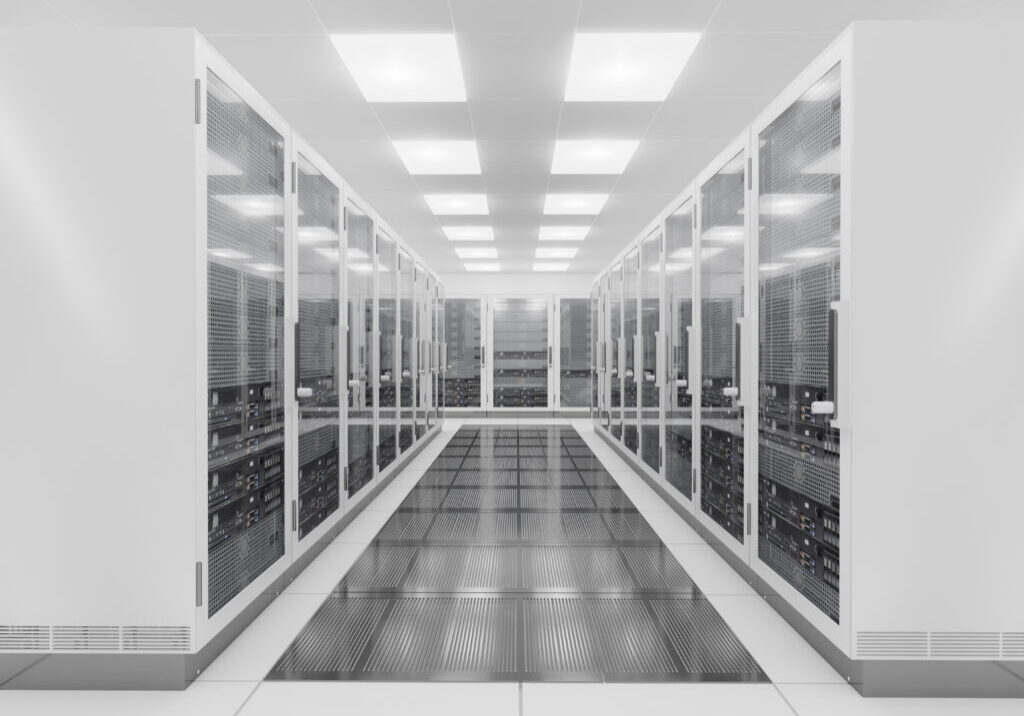
At least three major hyperscale data centers are coming to Louisiana, the largest being the Manhattan-sized Meta “Hyperion” project in Richland Parish that will take ten new natural gas plants to power. Its registered water use of 23 million gallons per day would nearly double water withdrawals of the entire parish.
Since Meta’s announcement, Louisiana legislators filed at least 24 bills this legislative session seeking to restrict the use of Artificial Intelligence, from limiting exposure to minors to requiring disclosures for chat bots in medical care. Now midway through the session, nine of the bills are moving through the process, another 12 are waiting to be considered, while four have been deferred or withdrawn.
The actions follow alarming reports that unleashed AI is erroneously denying public benefits to low-income people, incorrectly assigning fraud, and discriminating on housing and employment.
AI regulation is increasingly a matter of justice and equity.
Artificial Intelligence has grown and evolved rapidly since OpenAI’s ChatGBT rolled out in 2022, creating the need for massive, hyperscale data centers to run the “large language models” that drive the technology. Largely pushed by big tech, developers began buying up land around the country in 2023 and 2024, frequently making secretive deals with state and local officials for tax breaks. Meanwhile, the Trump Administration is thwarting attempts by states to restrict AI development by threatening to withhold funding for state broadband to rural and underserved areas.
The result could amount to a one-two punch for Louisiana residents. They could likely face higher utility bills, as utilities build new plants to power the datacenters. After the initial construction boom, which draws many workers from out of state, data centers offer few permanent jobs.
Thanks to Act 618 by Rep. Steven Jackson, which gave local authorities more leeway in signing non-disclosure agreements (NDA’s) with companies, local residents and some officials were unaware of the Meta project until Entergy applied to build three power plants for a single customer in October 2024.
To add insult to injury, Meta would be spared from paying sales taxes under Act 730, which grants up to 30 years of sales and use tax rebates on construction, server equipment, and coolant systems. Meta is projected to extract up to $3.6 billion in sales tax exemptions in the first decade alone. The program contains no wage standards, no routine reporting requirements, and no automatic claw backs if companies fall short of their promises.
Non-disclosure agreements coupled with overly generous tax exemptions increase the likelihood for corruption and bad deals for taxpayers.
Louisiana officials in Caddo and Richland Parishes have struck deals with both Meta and Amazon for “PILOTs” or “payments in lieu of taxes,” which could exempt 60% of local property taxes if the companies reach hiring goals of 300 jobs for Meta and 150 jobs for Amazon.
Studies show that exemptions on local property taxes to fund schools, police, fire, road repair, and other public services favor the wealthy and deepen structural inequality over the long term.
Entergy, too, will avoid property taxes. The investor-owned utility is now planning 10 gas-fired power plants to supply 7,500 megawatts of electricity to Meta. Entergy will be exempted from paying 80% of property taxes over 10 years under Louisiana’s generous Industrial Tax Exemption Program (ITEP). In its application for the first two power plants, Entergy is seeking to avoid paying Richland Parish $237 million in local property taxes over 10 years. Expect that giveaway to rise exponentially when all 10 plants are built.
Make no mistake, reigning in AI is a worthy goal. Preventing the public, particularly minors, from harm by AI and chatbots will be essential to living alongside these new technologies.
Recent nationwide polling shows public skepticism about data centers and generative AI that cuts across party lines and age brackets. Democrats, Republicans, independents, young and old.
At least 11 states have passed moratoriums on data centers, and projects are being scrapped or delayed on concerns of rising utility costs, tax giveaways, and broken employment promises.
Data centers will now be shopping for a friendly regulatory environment (see Louisiana). A little skepticism plus transparency on public agreements could help ensure that we’re not giving away both our resources and our future.
This commentary was originally published in the Louisiana Illuminator.